PainPal™ for Business (Lite)
Ideal for Organisations with under 20 employees
From just $250/month + GST
Learn more

Ideal for Organisations with under 20 employees
From just $250/month + GST
Learn moreIdeal for Organisations with 20-150 employees
From just $625/month + GST
Learn moreIdeal for Large organisations with 150+ employees
From just $1,250/month + GST
Learn more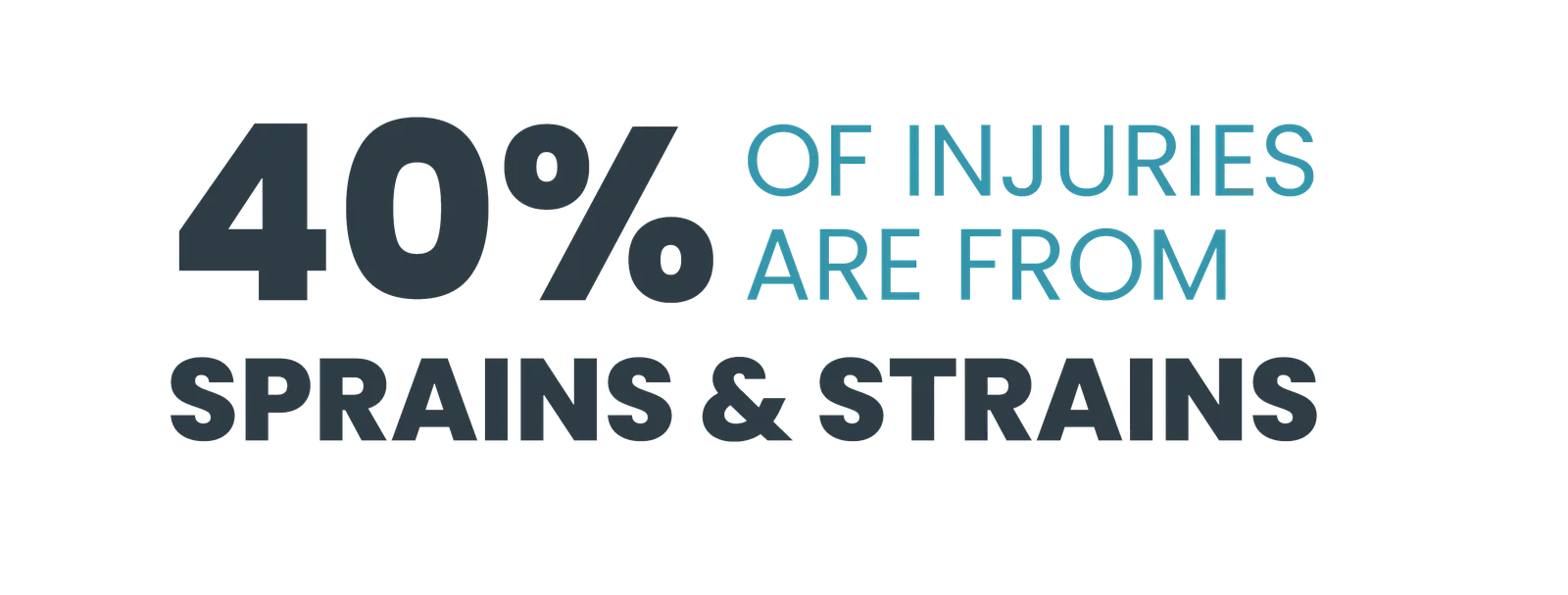
PainPal™ helps organisations take a proactive approach to managing injury risk by turning early signs of discomfort into simple, practical actions before they escalate into injury.
It supports your workers to self-manage early symptoms, while giving your organisation anonymised, actionable insights – helping target the tasks, tools, and environments that need attention most. Your organisation gains clear visibility of pain hotspots and emerging risks, without accessing any individual data.
Identify and address discomfort before it develops into lost-time injuries or ACC claims.
Identify risk hotspots, emerging trends, and improvement opportunities with privacy-protected data.
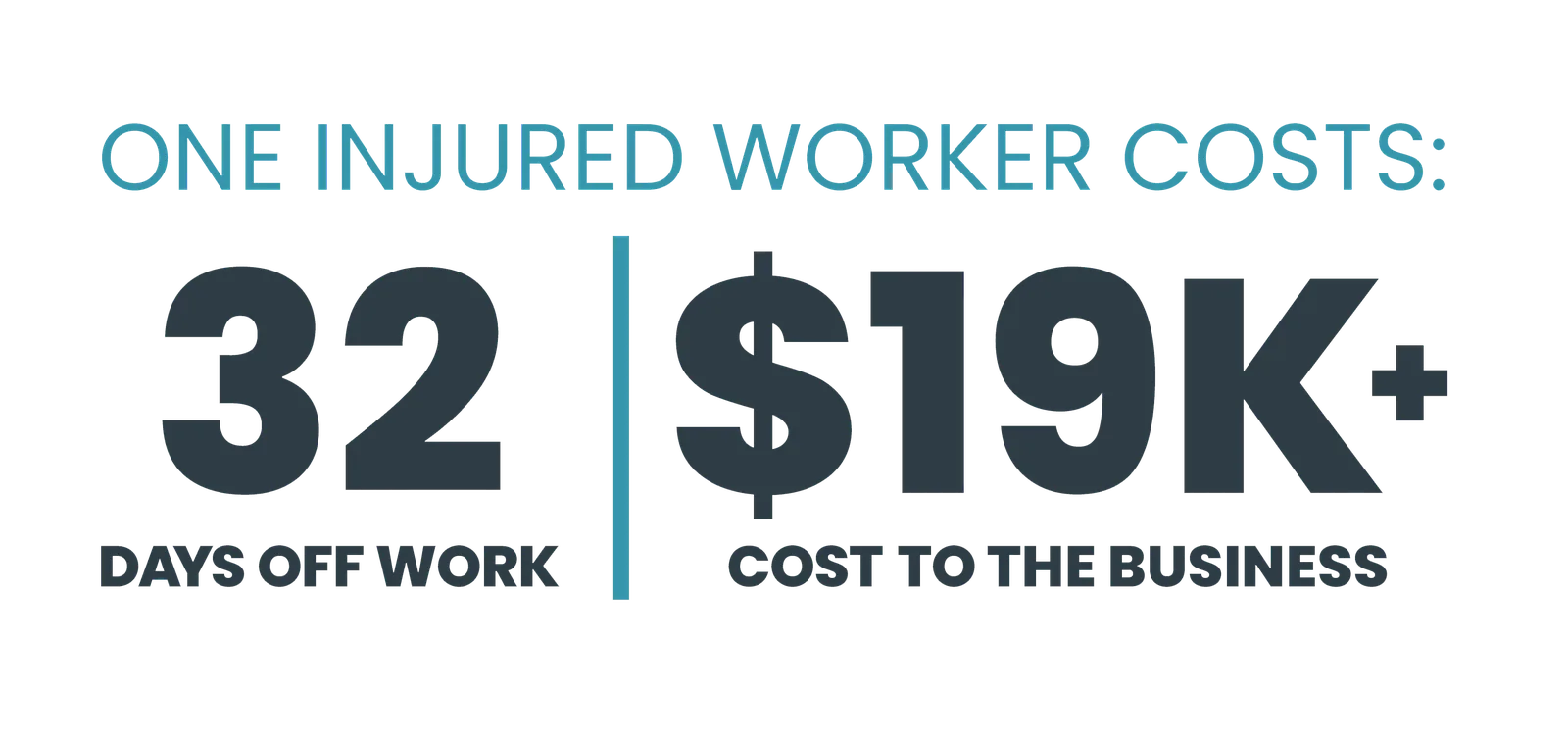
Lower injury-related costs, reduce absenteeism, and support a more productive workforce.
Help employees confidently manage early discomfort before it escalates.
Guidance tailored to your organisation's roles, systems, and existing controls.
Step-by-step direction to help leaders respond quickly and support workers effectively.
Real-time visibility of emerging musculoskeletal risk across your workforce.
Track leading and lagging indicators of discomfort, injury, and risk.
Practical guidance designed for the realities of your sector curated by leading kiwi Ergonomists.
Data that helps create the most cost-effective ergonomics and wellbeing intervention.
Sprains and strains are a major cause of workplace injury and cost in New Zealand, yet workers often have no support when symptoms first begin. This report explains how PainPal™ fills that gap with simple, evidence-based guidance, built-in safety checks, and early support that can reduce harm and costs. Read the full report to see the evidence.
Read the full report